How to Finish a Chess Game: A Simple Endgame Tip Every Young Player Should Know
By Lawyer Times, Founder of Future Masters Chess Academy
Winning a chess game is exciting—but knowing how to finish a chess game is just as important as getting ahead in the first place.
At Future Masters Chess Academy, we see hundreds of young chess players compete in tournaments, and one of the most challenging moments for many players is the end of the game. A player may be winning by a large amount of material, but then struggle to actually deliver checkmate and finish the game.
That leads to one of my favorite chess reminders: “If you can’t finish your game, the game never finishes.” So, what should you do when you’re winning big and your opponent only has a few pieces left?
Capture the Pieces That Can Hurt You
One of the most important chess endgame tips for beginners is simple: When you are winning, look for your opponent’s pieces or pawns that can still create danger. Capture those pieces before trying to finish the game. For example, imagine that you have a large material advantage, but your opponent still has a pawn that is only a few squares away from becoming a queen. That pawn is dangerous! If you ignore it while trying to attack the king, your opponent could promote the pawn and suddenly have a powerful new queen on the board. Instead, ask yourself: “What can hurt me?”
If your opponent has a dangerous passed pawn, capture it. If they have a piece that could create a threat, eliminate it. Don’t give your opponent an opportunity to come back into a game that you are already winning.
Don’t Let a Winning Position Become a Losing One
A common mistake young players make is becoming too excited when they are ahead.
They see that they have an extra queen, rook, or several pieces and immediately start looking for checkmate. But being ahead doesn’t mean the game is over. In chess, one dangerous pawn can sometimes change everything.
A pawn that reaches the last rank can promote into a queen, rook, bishop, or knight. That’s why experienced players continue to pay attention to every piece on the board—even when they are winning by a lot.
Before launching your final attack, take a moment to ask:
- What pieces does my opponent still have?
- Which of their pieces can create a threat?
- Does their king have any escape squares?
- Is there a pawn that could promote?
- Can I safely capture the dangerous pieces first?
These simple questions can help young players learn how to convert a winning chess position into a win.
Then Promote Your Own Pawn
Once you’ve removed the dangerous pieces from your opponent’s side, look at your own pawns. If you have a pawn that can safely reach the other side of the board, promote it.
In many positions, promoting a pawn to a queen gives you an enormous advantage and makes the final stage of the game much easier. A queen and rook—or multiple queens, when promotion is possible—can give you tremendous attacking power. But remember: getting another queen is not the goal by itself. The goal is to use your pieces to finish the game safely.
The Ladder Checkmate
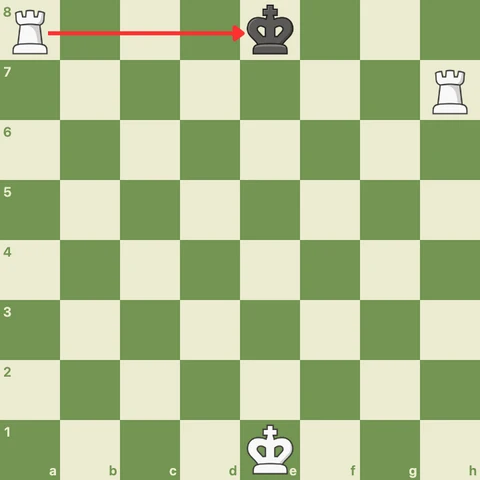
One of the most satisfying ways to finish a chess game is with a ladder checkmate.
The ladder mate uses two powerful pieces—often two rooks or a rook and queen—to systematically restrict the opposing king’s movement. One piece gives check while the other controls the king’s escape squares. The pieces work together like the rungs of a ladder, gradually pushing the king toward the edge of the board. For young players, learning basic checkmate patterns is an important part of becoming a stronger chess player.
Once you recognize these patterns, finishing a winning game becomes much easier.
The Big Lesson: Finish What You Started
The endgame is where patience and discipline really matter. You may have spent the first part of the game developing your pieces, creating threats, winning material, and gaining an advantage. But none of that matters if you allow your opponent to create a dangerous counterattack at the end. So, remember this simple rule: Capture the pieces that can hurt you—then finish the game. Don’t rush just because you’re winning. Look for danger. Remove your opponent’s threats. Promote your pawns when it is safe to do so. Then use your pieces to deliver a clean checkmate.
And most importantly, remember: If you can’t finish your game, the game never finishes!
Want to Improve Your Chess?
At Future Masters Chess Academy, we help young players develop their chess skills through structured instruction, tournament experience, and practice designed to help players think strategically and confidently.
Whether your child is just learning the basics or preparing for competitive tournament play, consistent chess instruction can help them develop stronger decision-making, concentration, patience, and problem-solving skills.
Ready to take your child’s chess game to the next level?
Explore Future Masters Chess Academy’s programs and discover how your child can grow as a chess player.